
Academy
From knowledge to skills: learning that carries through into practice
Almuruna··Updated on
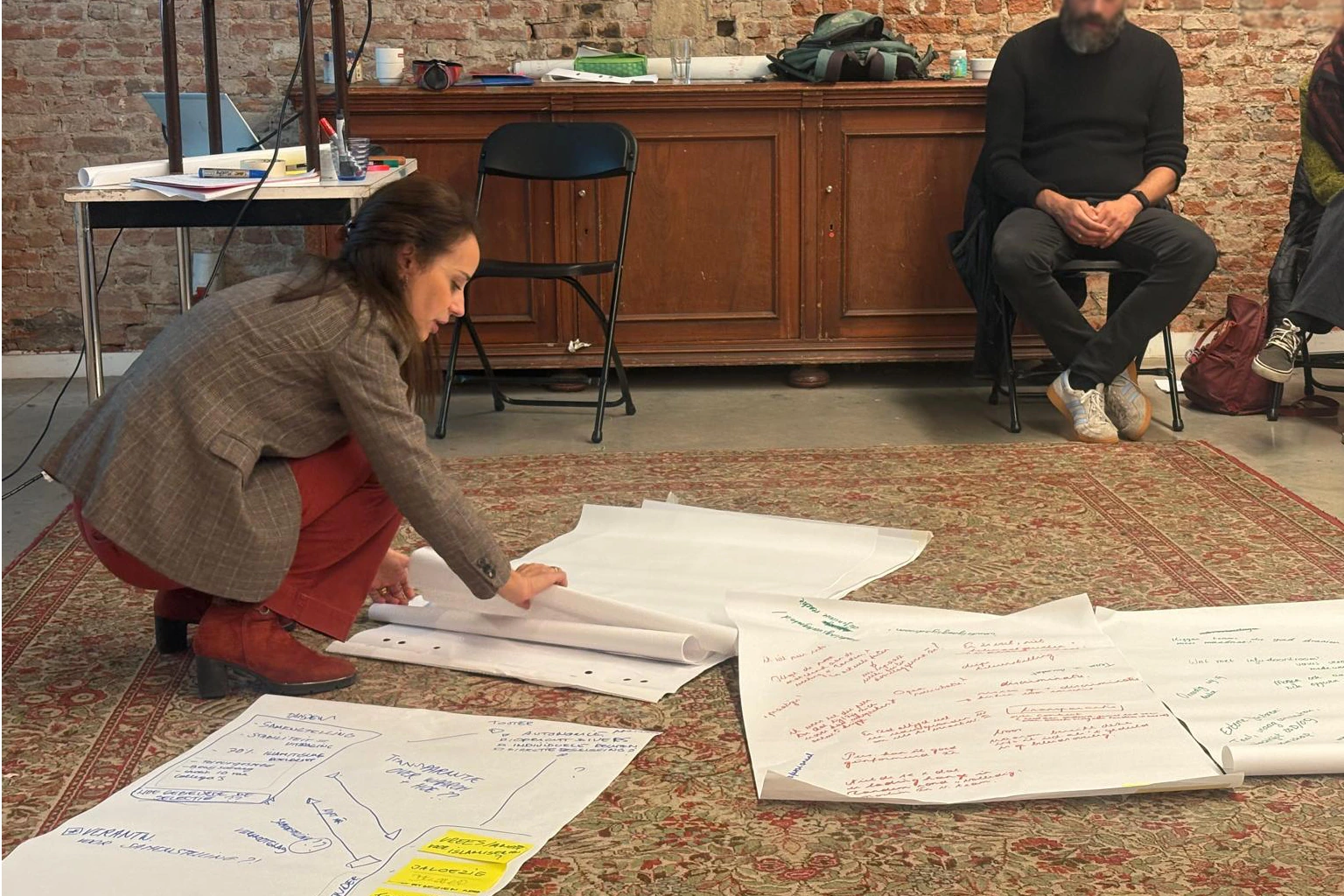
What participants learn during training continues when they return to their own working environment. There, they encounter situations that do not always unfold as expected.
A participant may be able to explain perfectly how good feedback works and still keep postponing a conversation that should have happened weeks ago. A leader may know several conflict models and still get stuck when two employees are at odds. And someone may know exactly how to structure a presentation, yet lose that structure under pressure.
Knowledge and understanding are essential, but developing new skills also takes practice, experience and reflection.
That is why theory and practice go hand in hand at Almuruna. Theoretical frameworks help participants understand situations better, make connections and examine their own actions. By working with those insights, they discover how to use them in concrete situations.
How we approach this depends on the audience, their prior knowledge and the learning objectives. Sometimes we start with a theoretical framework and build on it through exercises. In other situations, we begin with an experience or a practical case and then connect it to the theory. This variety is a deliberate choice, allowing participants to engage with the material in different ways.
We bring everyday practice into our training as much as possible. In feedback training, that might be a difficult conversation someone has been postponing for weeks. In negotiation, it might be a situation where interests clash and the other person reacts unexpectedly. Participants can explore different approaches, practise them and examine what works in their situation.
Depending on the learning objectives, we work with practical cases, simulations, role play and professional actors. We adapt existing formats, combine different approaches or develop new exercises when that better suits the group.
During these exercises, patterns sometimes become visible that participants had not noticed before. Someone might discover, for example, that they take longer than they realised to introduce a difficult message, listen less well under pressure or struggle to apply a conversation technique. Through focused feedback, reflection and further practice, participants have the opportunity to develop their skills.
The exchange between participants is valuable too. Their different experiences and perspectives offer new insights and help them look at situations from other angles.
Ultimately, we assess the value of training not only by what participants have understood or learnt. What they can subsequently do with that knowledge and those skills is at least as important.
That is why we pay attention to the transition into their own working environment. Which insights will they take with them? What would they like to approach differently? And what do they need to put what they have learnt into practice?
Good training provides a solid foundation of knowledge, room to practise and the opportunity to explore experiences. In this way, theory and practice reinforce each other, and participants can build on what they have learnt.