Leadership & People
Psychological safety does not mean everything has to feel comfortable
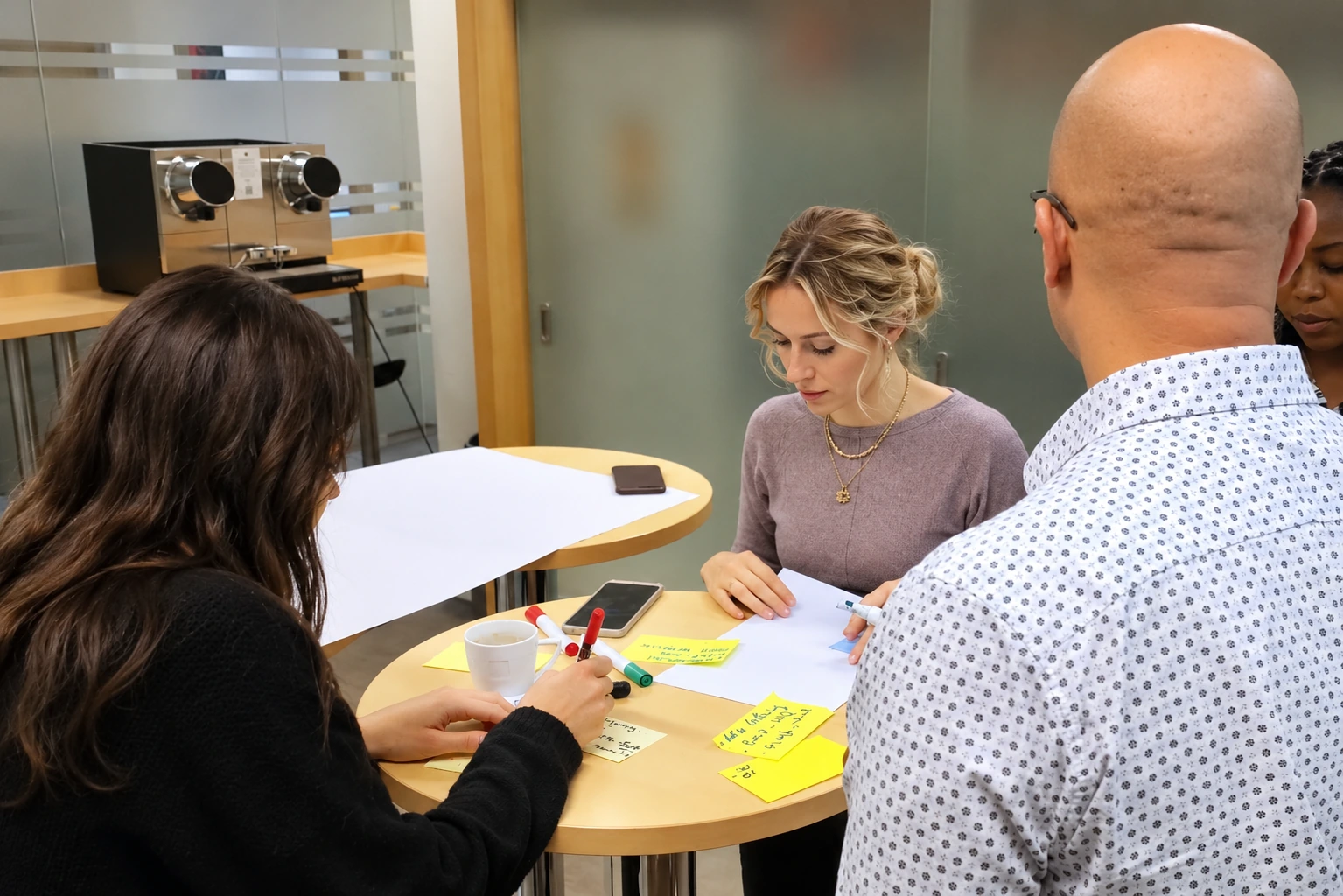
A safe team is not a team without tension. It is a team where tension can be discussed before it starts shaping things beneath the surface.
Psychological safety is sometimes presented as though a team is only safe when everyone feels comfortable all the time. In my experience, that is almost the opposite of what safety in an organisation really means.
Difficult things inevitably happen in teams. People disagree, make mistakes, receive feedback or see decisions turn out differently from what they had hoped. Change brings uncertainty, and working together sometimes creates friction. An environment where all that discomfort is avoided can seem remarkably calm on the surface. Yet that calm says little about what people really dare to say.
When employees swallow their doubts, hide mistakes or begin weighing up very carefully who they can raise something with, caution takes hold. Not because people see nothing or have no opinion, but because they do not have enough trust in what will happen when they voice that opinion. Psychological safety therefore becomes most visible when something is at stake.
Can someone say they do not understand a decision when their manager is clearly convinced? Can an employee admit that something has gone wrong without first having to think about how to defend themselves? And can a team explore a tension without immediately having to decide who is right?
That takes trust, but trust alone is not enough. People also need room to bring differences into the open, ask questions and name something that may feel uncomfortable for the group. At the same time, safety does not mean that anything can be said without consequences. Speaking freely and taking responsibility go together.
That is why I find the distinction between safe spaces and brave spaces so valuable. A safe space creates enough safety to take part, speak and not have to protect yourself constantly. A brave space goes a step further: it also creates room to stay in the conversation when differences, tension or uncertainty emerge.
Organisations need both. Without enough safety, people hold back information. Without enough courage, difficult subjects are repeatedly sidestepped, and a team learns little from what is really happening.
For me, the most important question is therefore not whether people always feel comfortable at work. The more interesting question is whether they have enough trust to say what needs to be said, even when that conversation is not easy. Because that is precisely where the opportunity arises to learn as a team, take responsibility and work better together.