Organisation & resilience
Resilience is not learning to put up with what does not work
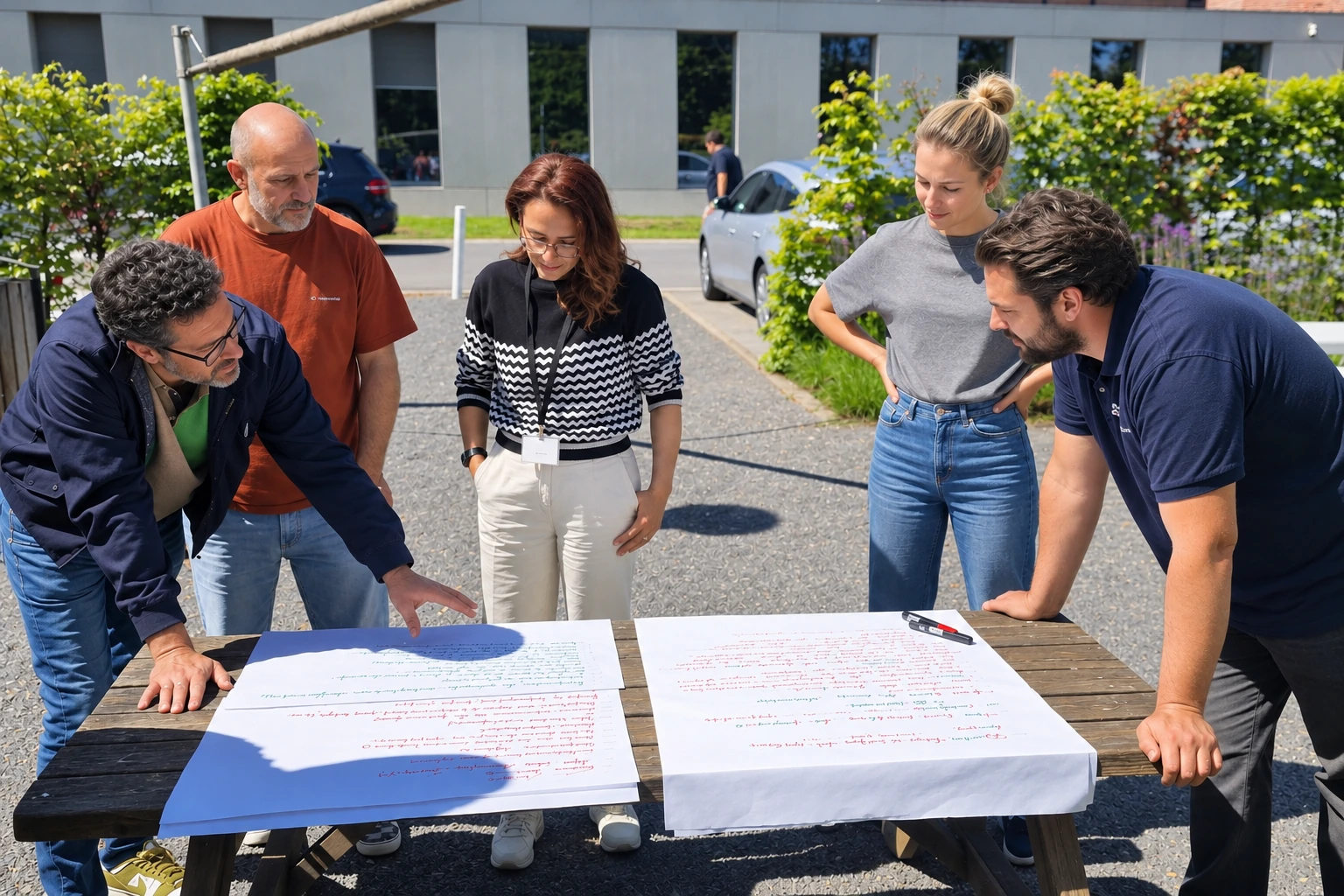
Resilience becomes dangerous when we use it to make people endlessly adapt to conditions that themselves need to change.
Resilience has become a popular concept. There is much that is positive about that, but there is also a risk. Once a word is used everywhere, its meaning can slowly shift.
For example, I sometimes hear that employees need to become “a bit more resilient” when workloads have been too high for a long time. In that context, resilience suddenly means that people must learn to cope better with conditions that may themselves need to change.
That is not how I came to understand the concept.
When I began working with people in socially vulnerable situations years ago, resilience was never about pretending that difficult circumstances did not exist. Nor was it about teaching people to toughen up.
I tried to look at what someone had already built despite those circumstances. What experiences did they carry with them? What strengths had emerged along the way? Where did they still have room to act? And what kind of environment helped them regain more influence over their own situation?
Over time, that way of looking at things extended to organisations.
For me, an organisation is not resilient simply because it can absorb ever more pressure without changing. True resilience also means being able to recognise when something is no longer working at a structural level. It means being open to difficult information, adjusting choices and having enough flexibility to learn from what happens.
The environment matters at least as much as the individual. People can only take responsibility when they genuinely have the room to do so. Teams struggle to work sustainably when chronic overload is considered normal. And individual coaching cannot solve an organisational problem when roles, expectations or decision-making remain fundamentally unclear.
That does not mean personal resilience is unimportant. Quite the opposite. People can learn to cope with tension, recognise their limits more clearly, communicate differently and act more consciously when circumstances change. But personal development must not become an excuse for leaving structural problems untouched.
Sometimes a person needs to grow stronger. Sometimes a team needs to learn something different. And sometimes the organisation itself needs to change.
For me, organisational resilience lies precisely in the ability to make that distinction. Not just getting back on your feet after something difficult, but also understanding what is needed to move forward differently afterwards.